Hi pls find my reply,
1. Same criteria will apply to weld and materials.
We have done this test for weld as well as parent materials (Mill as well as in shop Lab) successfully and could achieve corrosion rates less than 0.8mm/year.
Sent from my iPhone
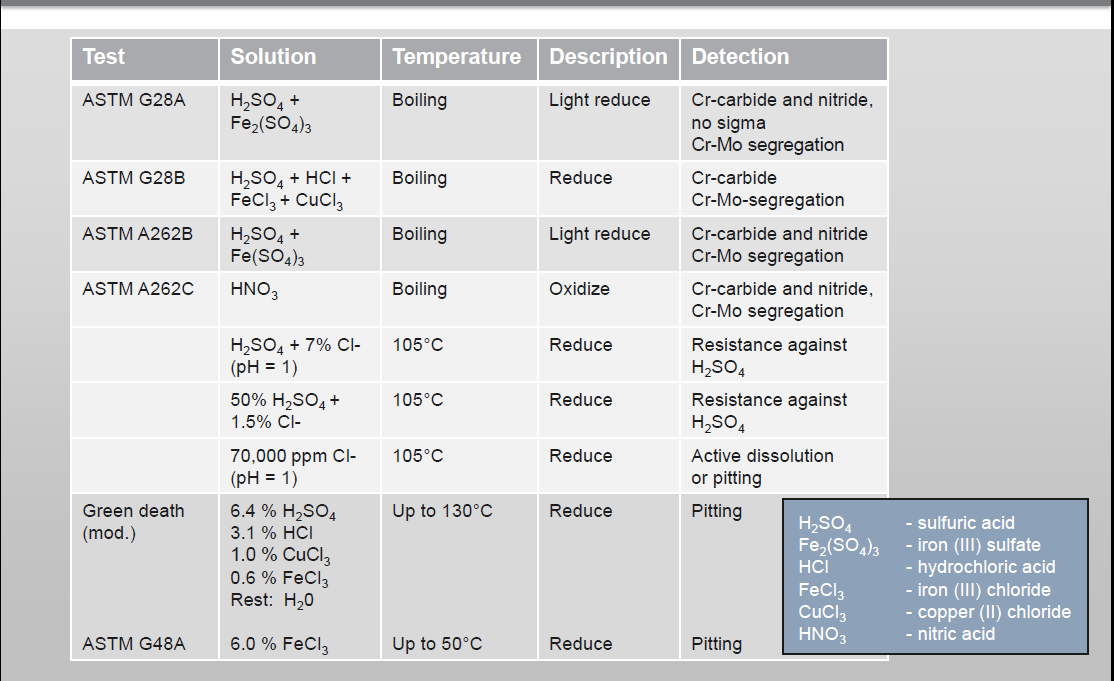
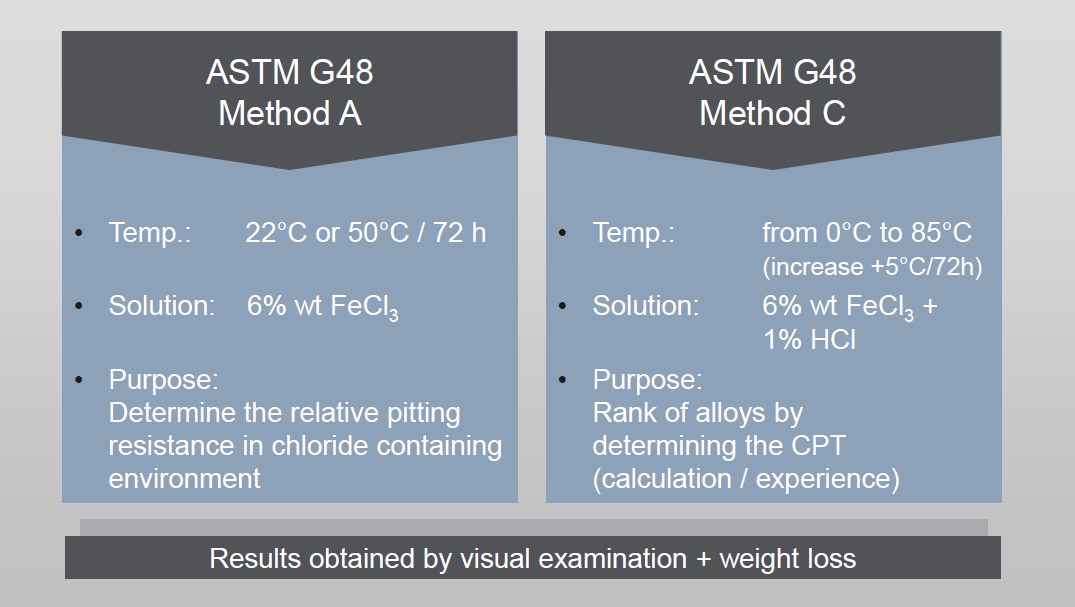
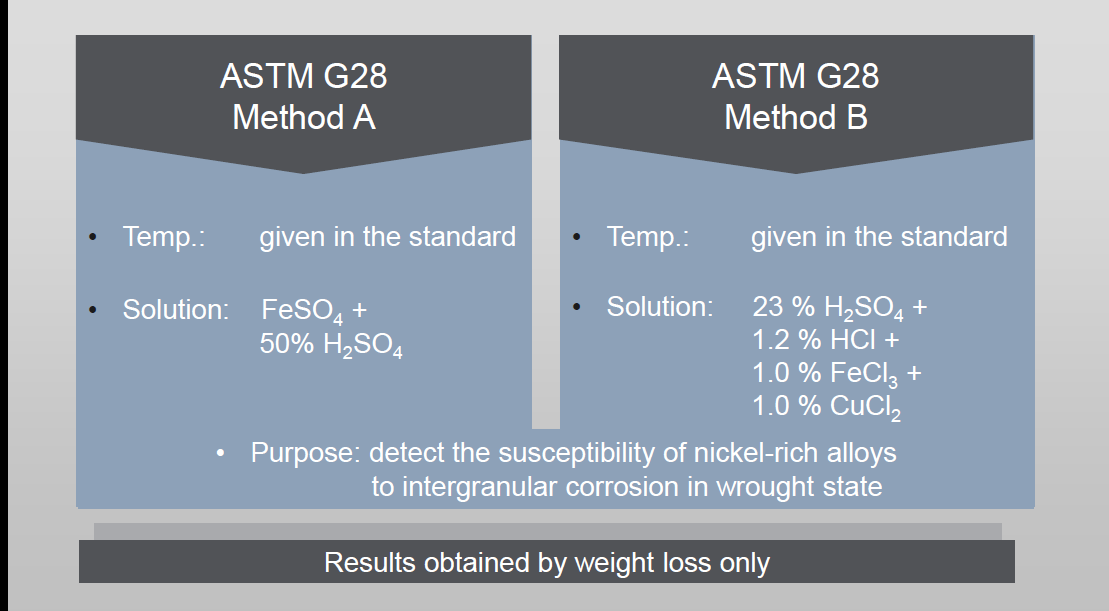
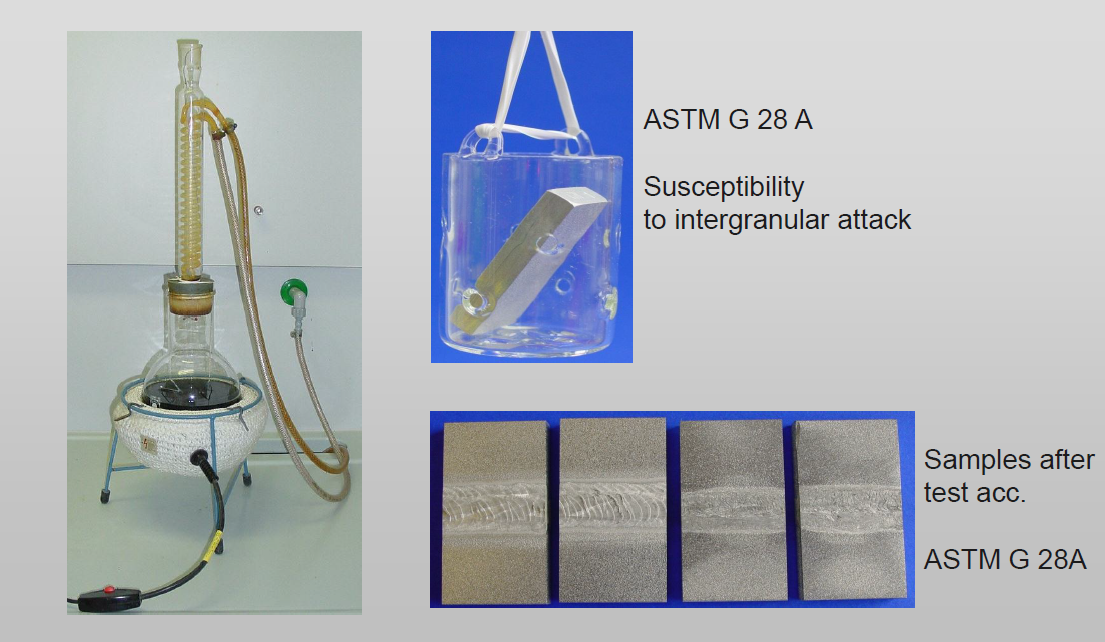
Dear Joseph.Thank you so much. I have found a reference in mentioned address web mail which have been attached.Based on this image, the acceptance criteria for 625 is 0.9 but there is two item that weaken applicability of it, at title of table said unwelded and in second column that highlighted to as-received.1.what is your idea, this criteria can be used for weld and clad or not?2.and in title of G28 applicable for wrought Ni alloys, nevertheless is it applicable for weld qualification?Regards.--On Tue, Jul 24, 2018 at 2:09 PM, Nithin Joseph <nithindsilva4u@gmail.com> wrote:Hi,It depends on client, I have gone through the specs of end users such as ADCO, Tatweer, PDO and they clearly state that it should not exceed 0.9mm/year.You can also visit below article to know the widely followed corrosion rates for various alloys with their corrosion rates.--On Tue, Jul 24, 2018 at 10:58 AM, Ali Asghari <asgharialigl@gmail.com> wrote:Hi.Thanks.Would you send documents that mentioned this criteria,unfortunately in our documents only referee to G28.Thanks.On Tue, Jul 24, 2018 at 9:51 AM, Nithin Joseph <nithindsilva4u@gmail.com> wrote:Hi,You should check client spec and most of the standards give the requirements as 0.9mm/year.On Mon, Jul 23, 2018 at 9:07 AM, Ali Asghari <asgharialigl@gmail.com> wrote:Dear Shyamal.unfortunately in my project specification referred to ASTM G28.Do you have any access to reference documents that addressed in the document?and would you say in your project spec how much specify to corrosion rate of G28?Regards
On Sunday, July 22, 2018 at 9:07:51 AM UTC+4:30, shyamal das wrote:Hi,Acceptance criteria depends upon the project specificationsKrShyamalOn 10 July 2018 at 17:15, Ali Asghari <asghar...@gmail.com> wrote:Dear All.--Does anybody have any documents that said about criteria for ASTM G28 OF INCONEL CLAD?Regards
https://materials-welding.blogspot.com/
https://www.linkedin.com/groups/122787
---
You received this message because you are subscribed to the Google Groups "Materials & Welding" group.
To unsubscribe from this group and stop receiving emails from it, send an email to materials-weld...@googlegroups.com .
Visit this group at https://groups.google.com/group/materials-welding .
For more options, visit https://groups.google.com/d/optout .
To unsubscribe from this group and stop receiving emails from it, send an email to materials-welding+unsubscribe@--
https://materials-welding.blogspot.com/
https://www.linkedin.com/groups/122787
---
You received this message because you are subscribed to the Google Groups "Materials & Welding" group.googlegroups.com .
Visit this group at https://groups.google.com/group/materials-welding .
For more options, visit https://groups.google.com/d/optout .
--Regards,
Nithin Joseph Dsilva+971 557645785You received this message because you are subscribed to a topic in the Google Groups "Materials & Welding" group.
To unsubscribe from this topic, visit https://groups.google.com/d/topic/materials-welding/2U8FTJdM .vvA/unsubscribe
To unsubscribe from this group and all its topics, send an email to materials-welding+unsubscribe@googlegroups.com .
Visit this group at https://groups.google.com/group/materials-welding .
For more options, visit https://groups.google.com/d/optout .
--
https://materials-welding.blogspot.com/
https://www.linkedin.com/groups/122787
---
You received this message because you are subscribed to the Google Groups "Materials & Welding" group.
To unsubscribe from this group and stop receiving emails from it, send an email to materials-welding+unsubscribe@googlegroups.com .
Visit this group at https://groups.google.com/group/materials-welding .
For more options, visit https://groups.google.com/d/optout .
--Regards,
Nithin Joseph Dsilva+971 557645785
https://materials-welding.blogspot.com/
https://www.linkedin.com/groups/122787
---
You received this message because you are subscribed to a topic in the Google Groups "Materials & Welding" group.
To unsubscribe from this topic, visit https://groups.google.com/d/topic/materials-welding/ .2U8FTJdMvvA/unsubscribe
To unsubscribe from this group and all its topics, send an email to materials-welding+unsubscribe@googlegroups.com .
Visit this group at https://groups.google.com/group/materials-welding .
For more options, visit https://groups.google.com/d/optout .
https://materials-welding.blogspot.com/
https://www.linkedin.com/groups/122787
---
You received this message because you are subscribed to the Google Groups "Materials & Welding" group.
To unsubscribe from this group and stop receiving emails from it, send an email to materials-welding+unsubscribe@googlegroups.com.
Visit this group at https://groups.google.com/group/materials-welding.
For more options, visit https://groups.google.com/d/optout.
<20180724_173051_001.jpg>
Comments